I recently completed a cultural anthropology PhD, writing a 450 page dissertation on what war does to a survivor’s sense of time. I did my fieldwork in Tajikistan. While doing my PhD, I also wrote a 50,000 line open source program that helps photographers get photos and videos off their cameras and onto their computers. Additionally, I took a bunch of photos. Plus, I got married in Iran. No wonder it took me eleven years to complete my doctorate!
Research
Most people tend to think of the past as behind us, and the future in front. But for war survivors the violent past often seems to be in front. Moreover, the violent past seems like it happened yesterday, regardless of when it occurred.
My research looks into what it means for the violent past to be in front. To understand what it means, I developed a paradigm called the spatiotemporal self, which is a novel alliance of existing theories on time and the self.
My doctoral dissertation “What War Does to a Survivor’s Sense of Time” is available for free at the University of Minnesota’s Digital Conservancy.
It was awarded “Best Dissertation of the Year Award” from the Peace and Justice Studies Association for making “critical contributions to advancing the field of peace and justice”.
Check out this video for a 15 minute introduction to the research:
Photography
Most of my photos are found on Flickr, with some on 500px too. I tend to take photos of people and places:
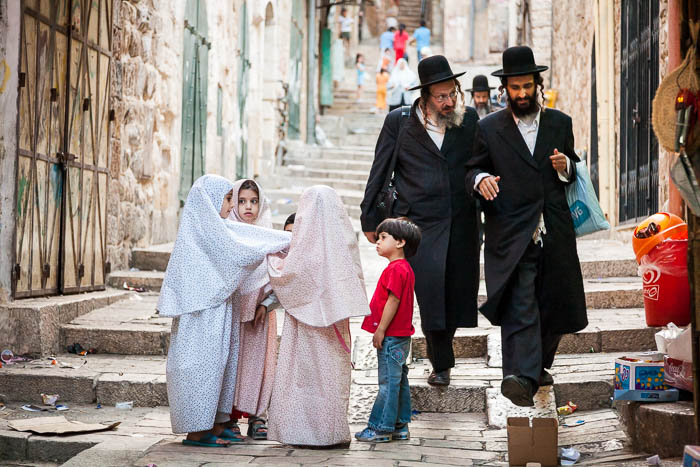 Orthodox Jewish men and Muslim children in Jerusalem (2006)
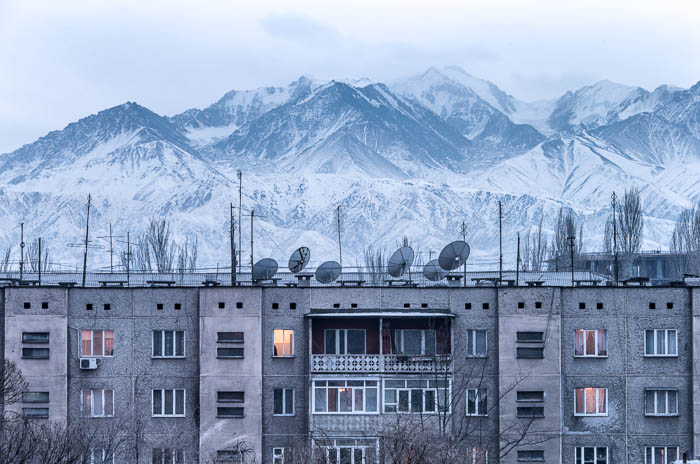 Bishkek apartments in front of Ala-Too mountain range (2014)
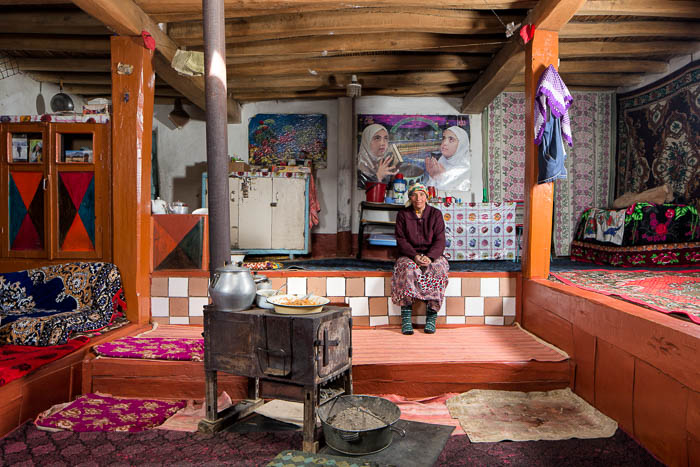 Pamiri woman sitting in her home in Vichkut (2014)
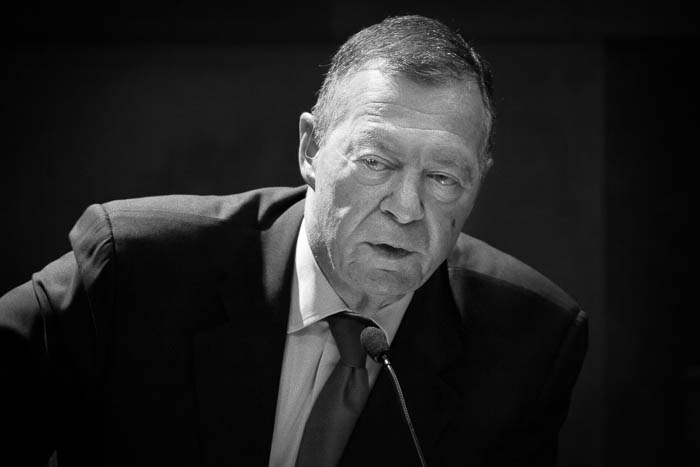 Aryeh Neier giving a talk about the international human rights movement at the University of Minnesota (2012)
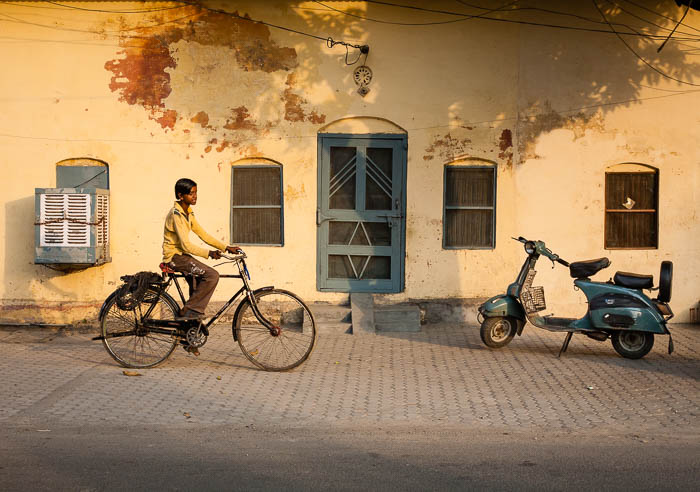 Boy on a bike in Haridwar (2008)
Sometimes people pay me to take photos for them. Clients have included the University of Notre Dame, the ABS-CBN Foundation, the Sheraton Dushanbe (now Hilton), and The Brooke.
Software
I am the developer of Rapid Photo Downloader, the leading photo and video downloader for the Linux desktop. It is available in all leading Linux distributions. Volunteers have fully translated it into ten languages.
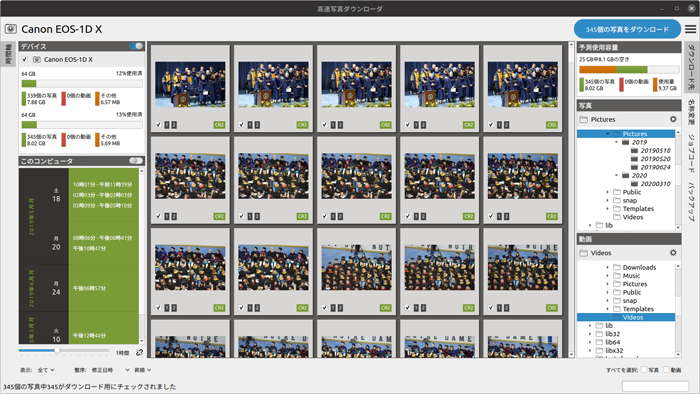
The software that powers Rapid Photo Downloader includes Python, Qt, and ZeroMQ.
About Me
I live in and am from Aotearoa New Zealand.
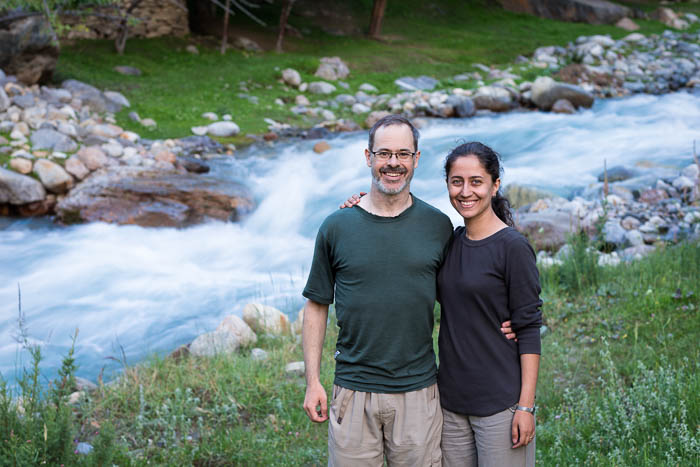 With my wife Chista Keramati in Yazgulom, Tajikistan (2015)
Education
- 2009–2020
- PhD in Cultural Anthropology
University of MinnesotaDissertation: What War Does to a Survivor’s Sense of Time: The Spatiotemporal Self After Violence in Tajikistan
- 2004–2007
- MA in International Peace Studies
Kroc Institute, University of Notre Dame - 1993–1994
- Peace and Conflict Studies
Education Abroad Program, University of California at Berkeley - 1991–1994
- BSc in Computer Science
Victoria University of Wellington
Professional Experience
Prior to my doctorate, I worked primarily for civil society organizations in the Philippines, India, Pakistan, Israel/Palestine, and Aotearoa New Zealand.
I also worked a few years in the corporate world as a software developer in Australia and Aotearoa New Zealand.